



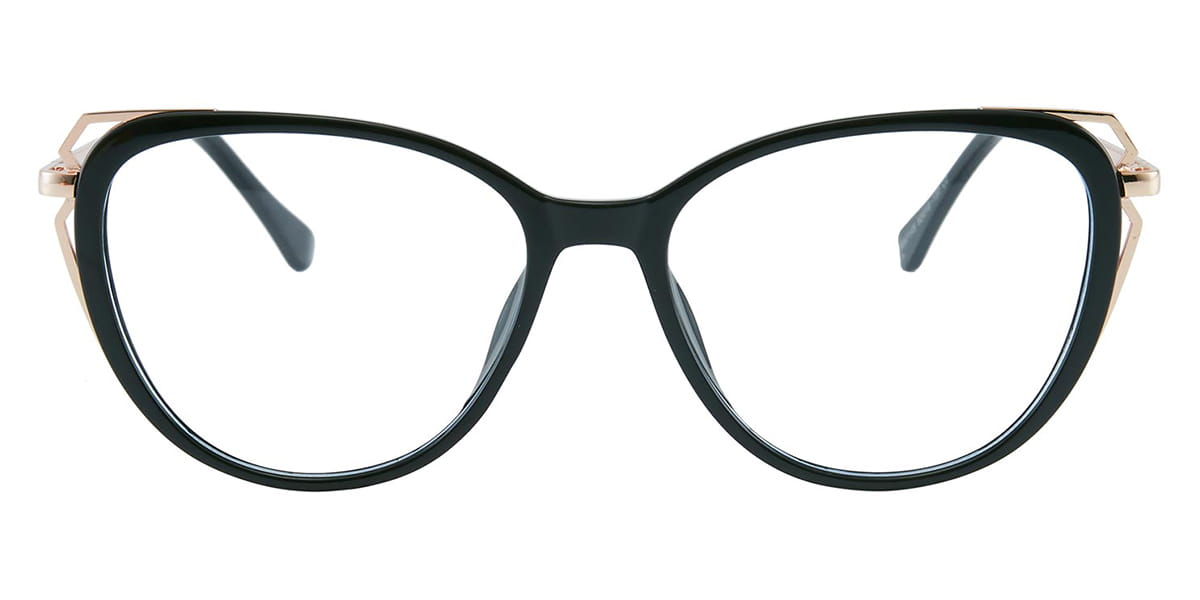


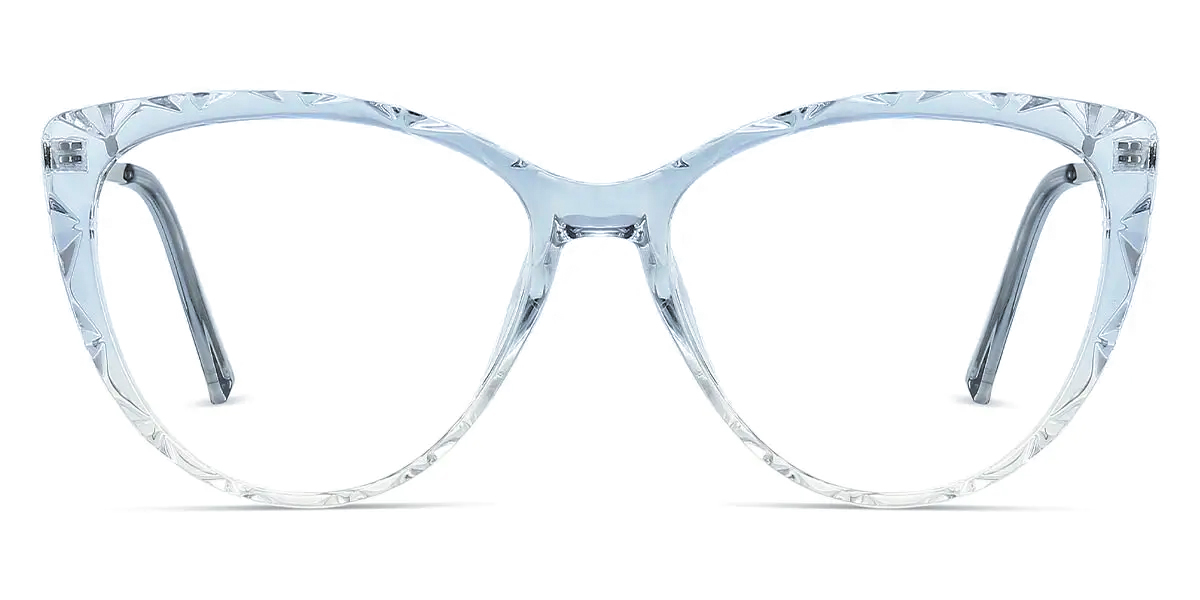

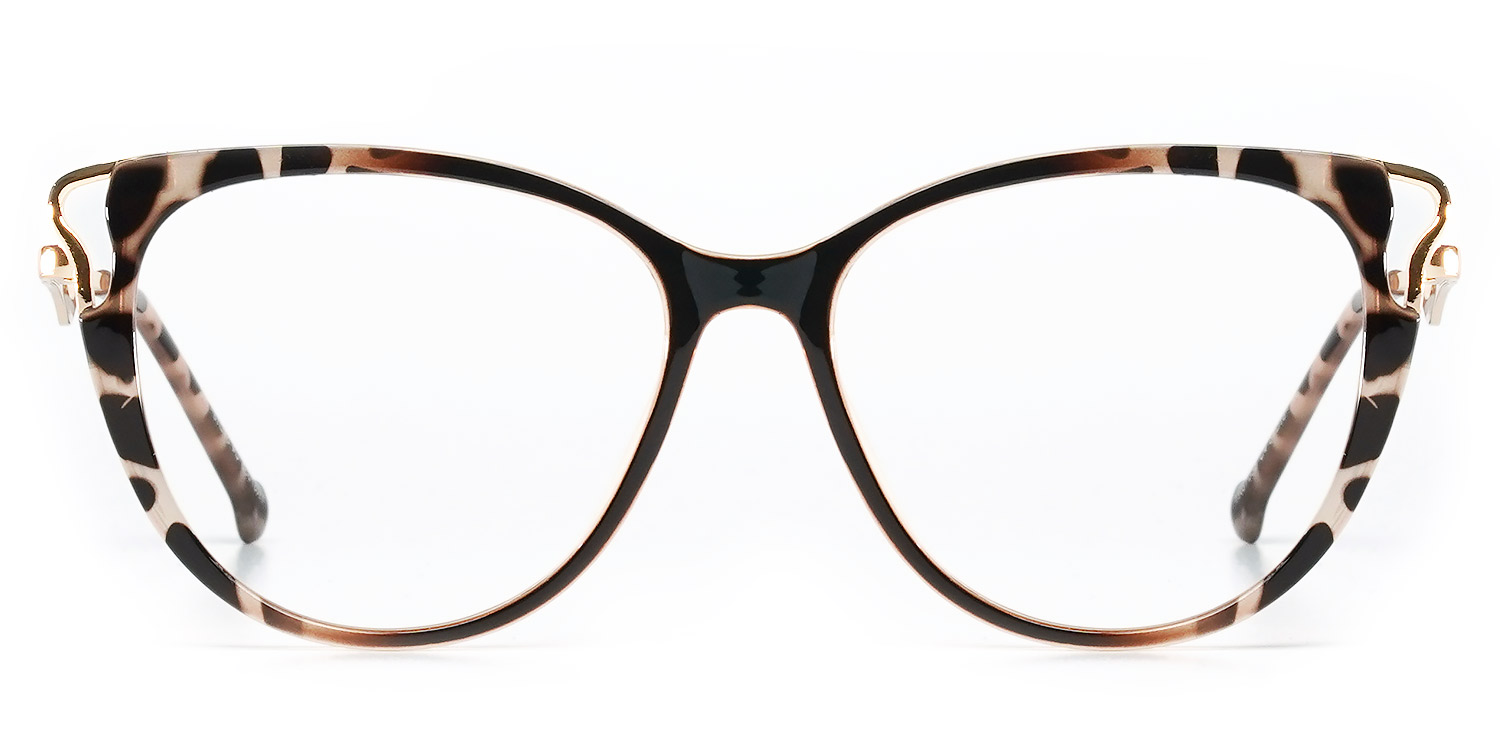


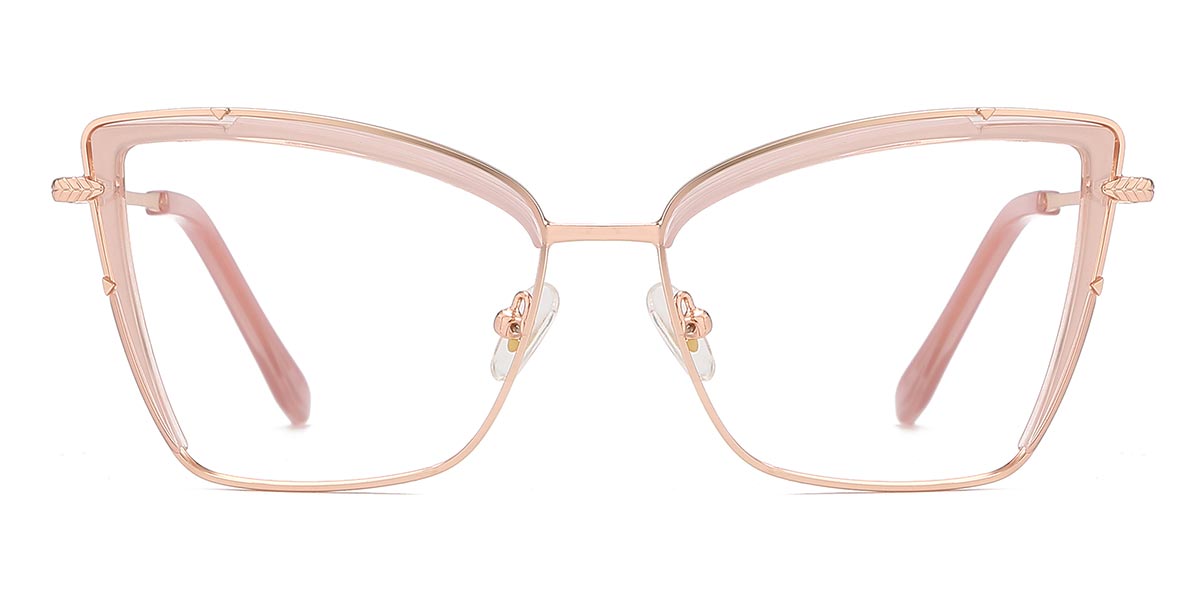


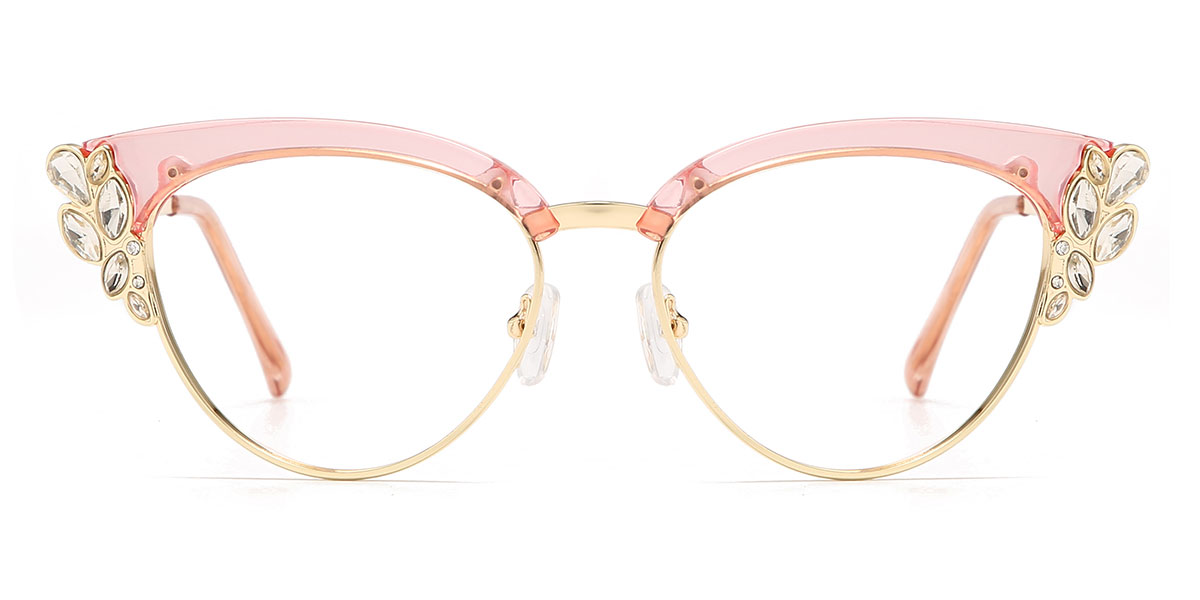


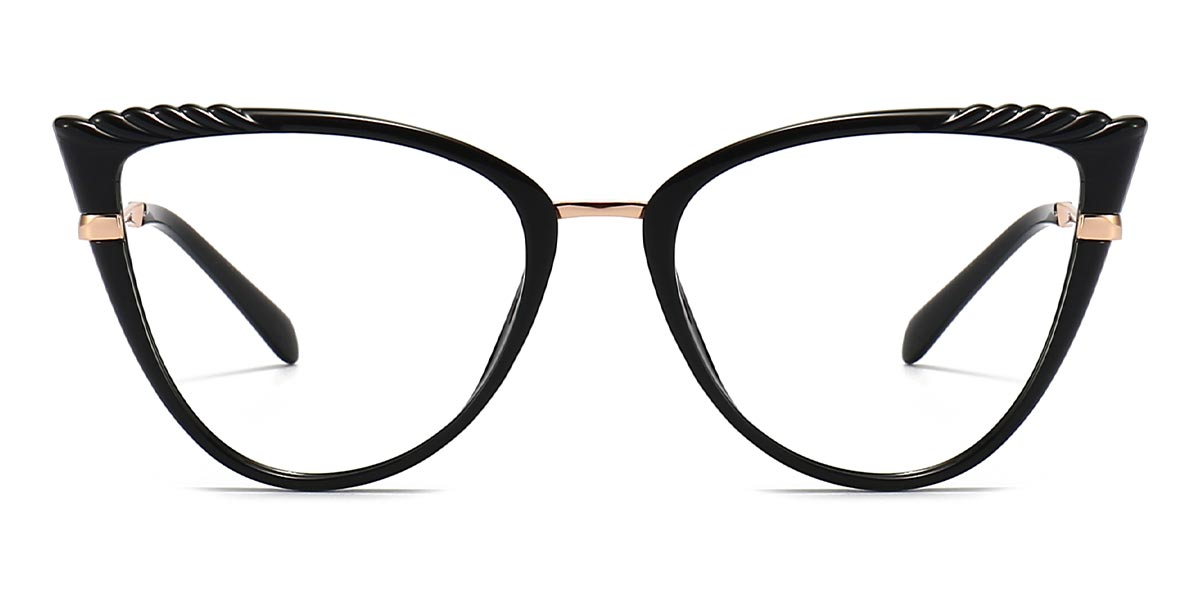


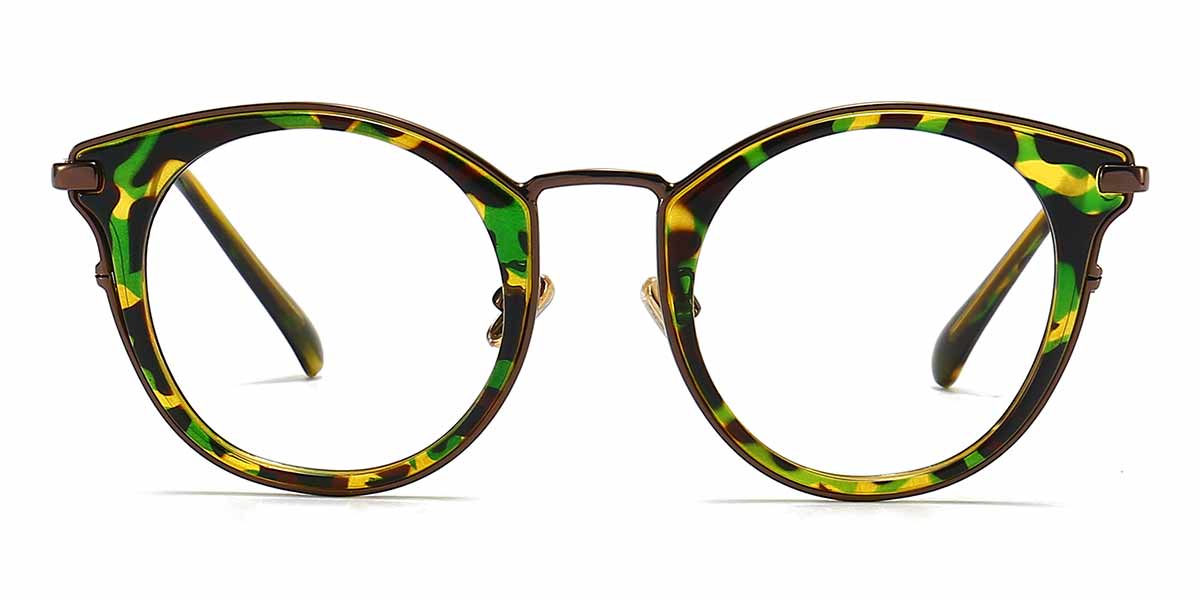


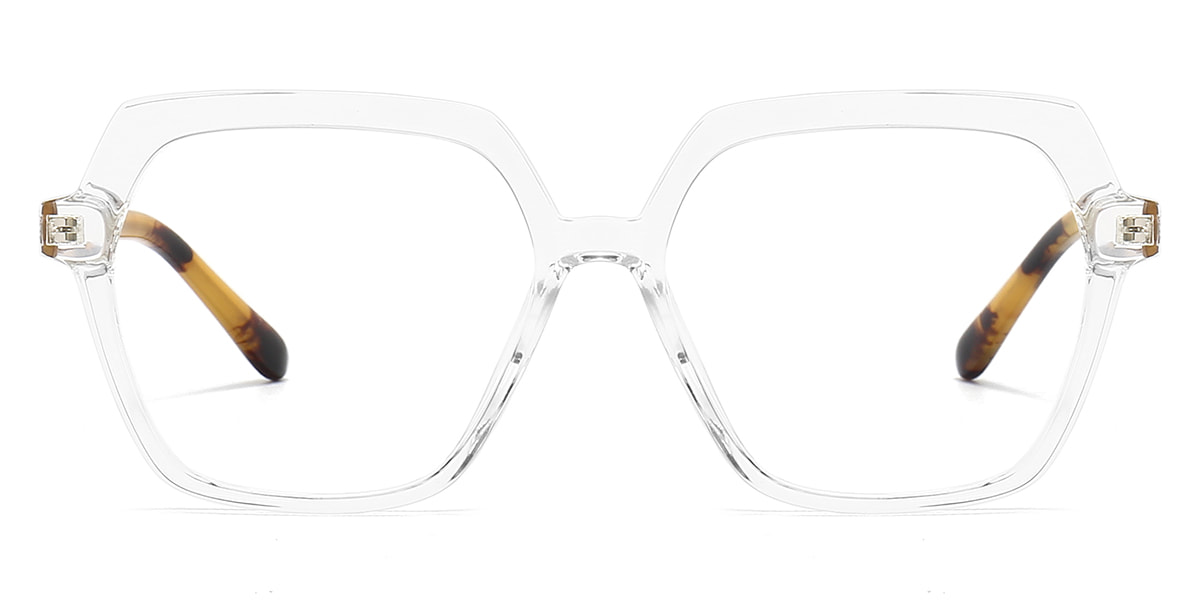


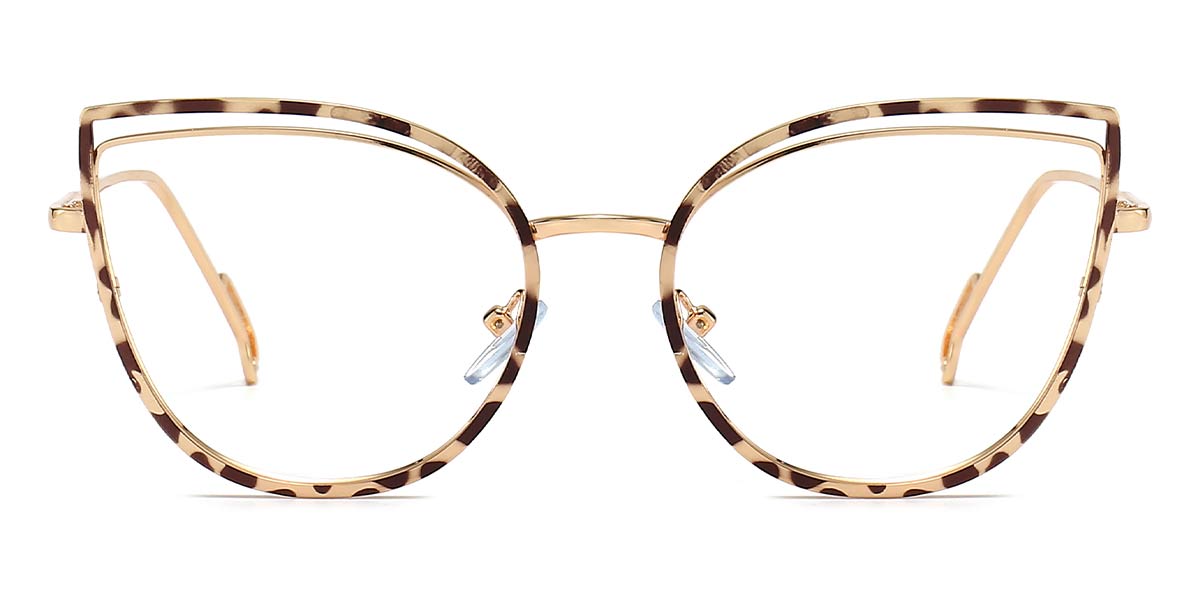


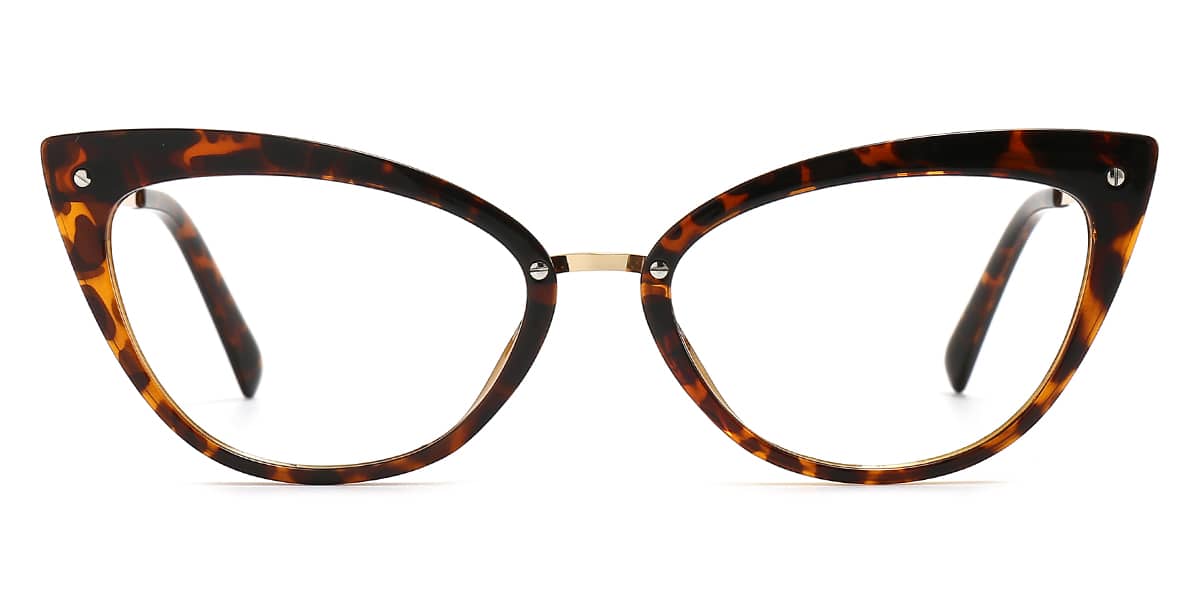


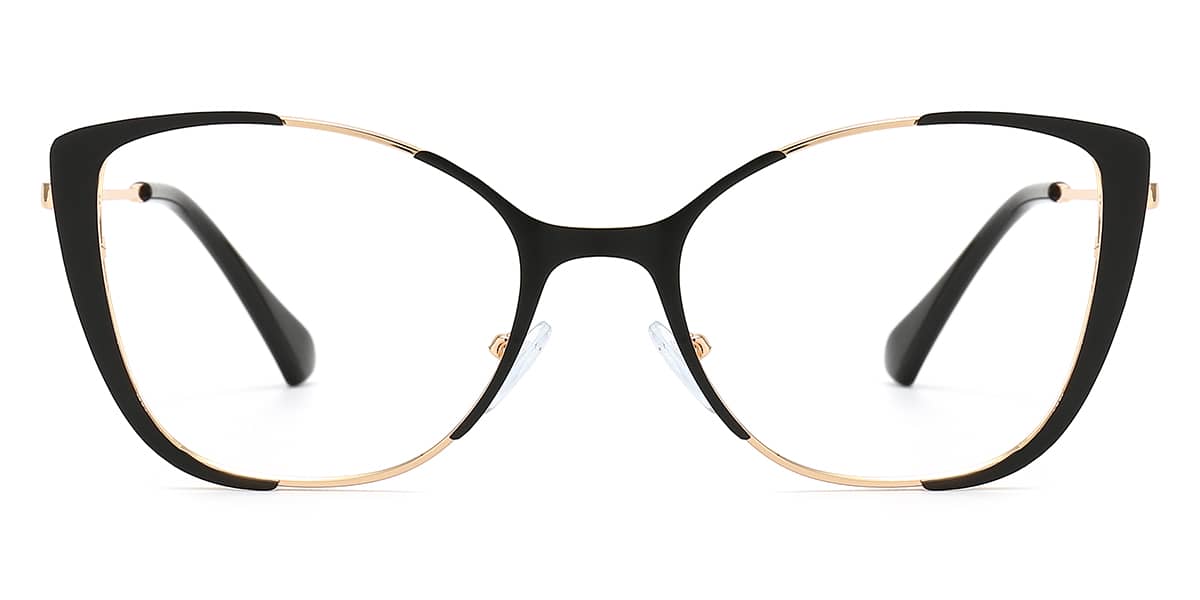


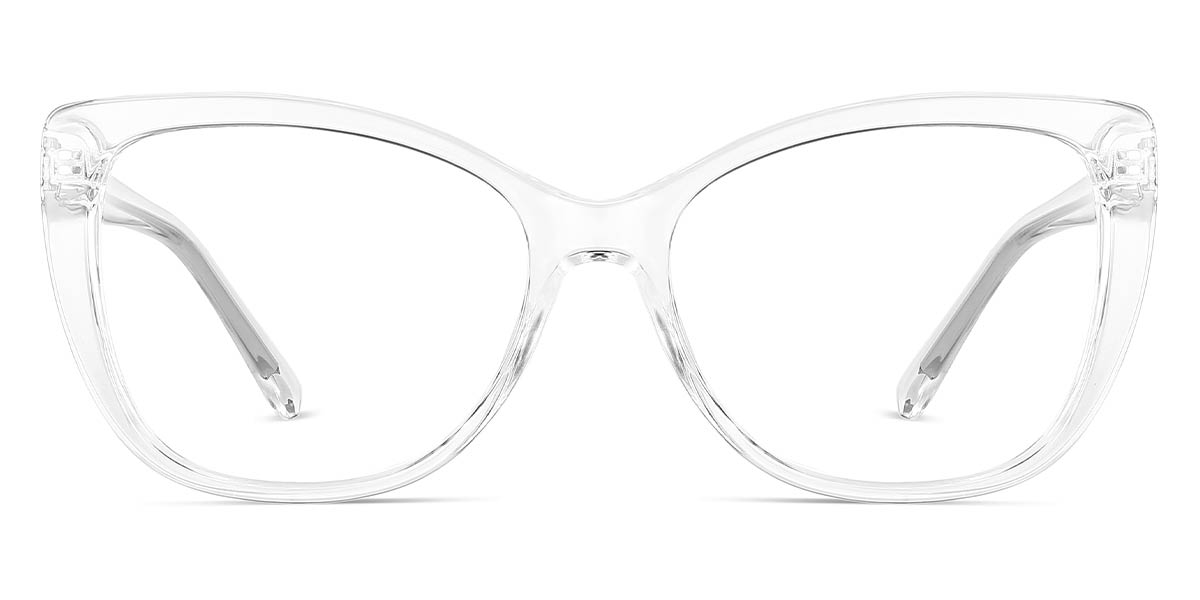

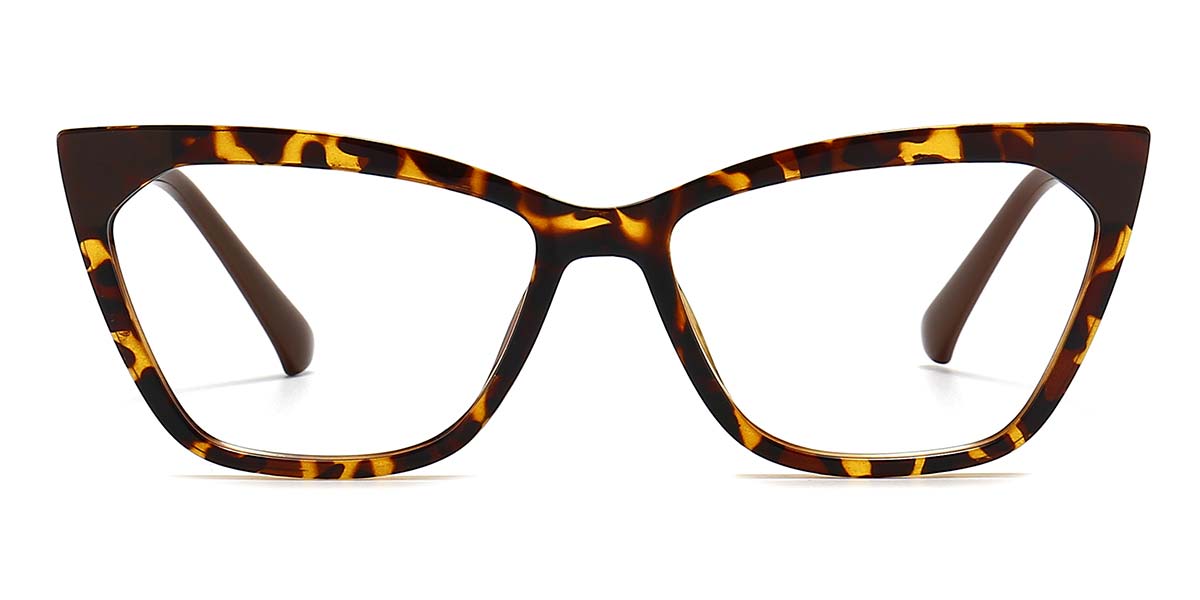


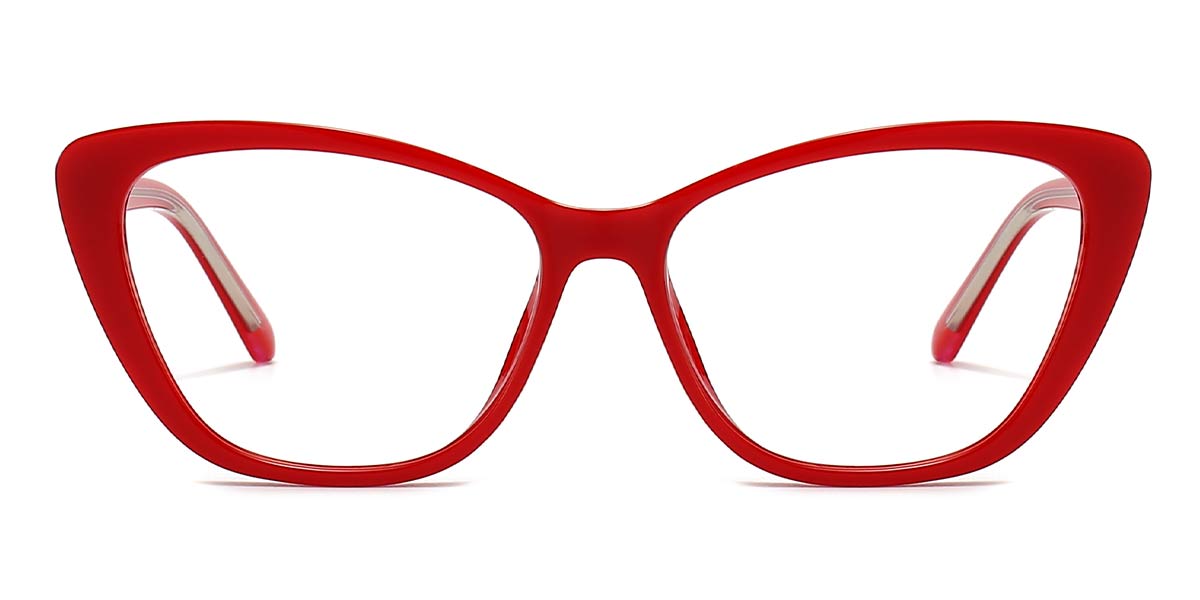


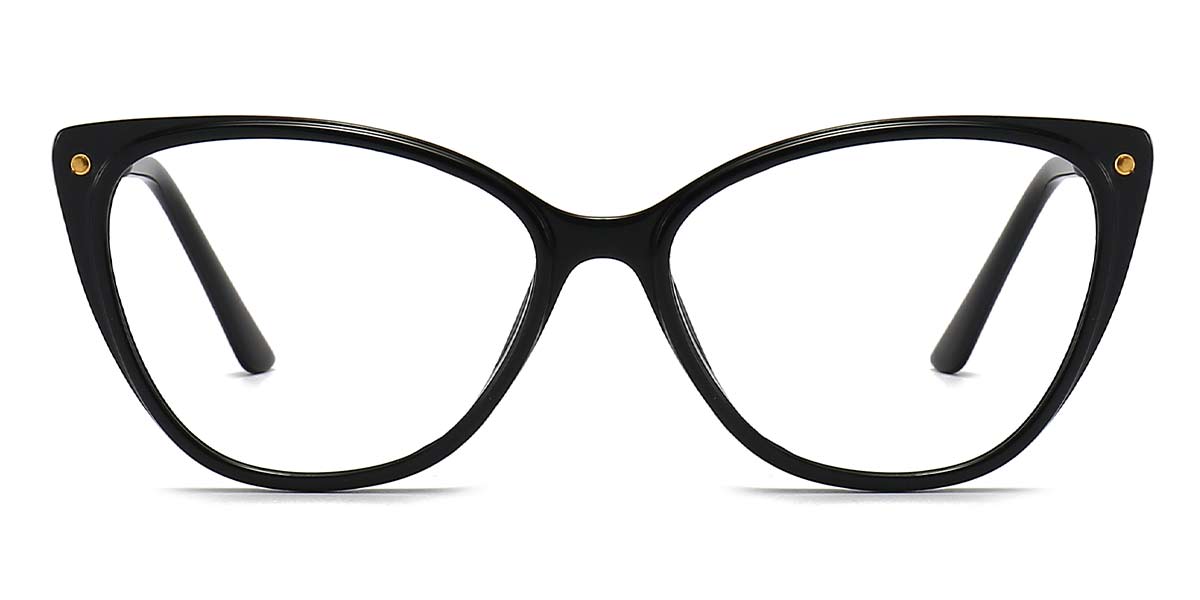

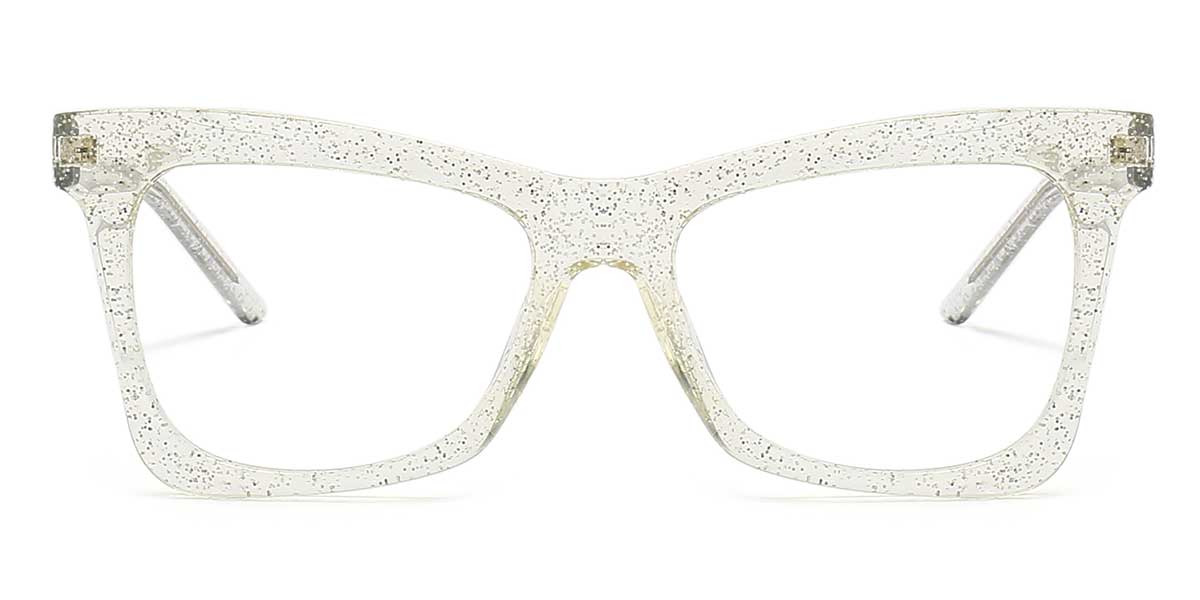











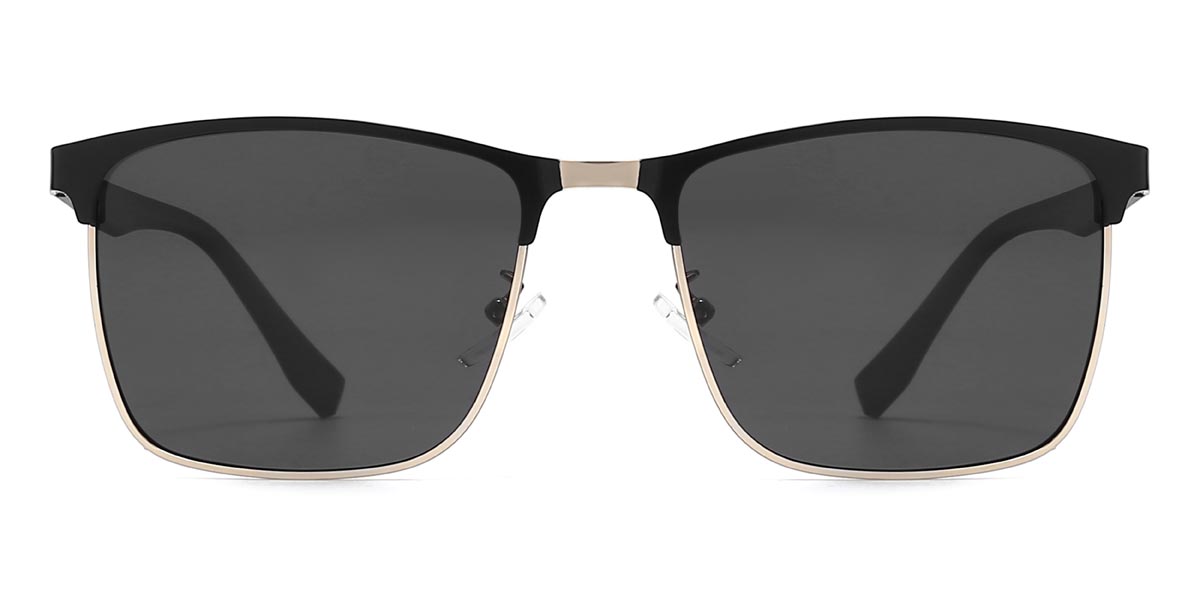


High index lenses are lenses that bend more effectively than other types of lenses due to their higher index of refraction. They allow people with strong prescriptions to wear glasses with thinner and less noticeable lenses. High index lenses are available at Lensmart.
High index lenses are usually recommended for people who have significantly high refractive errors and strong prescriptions, including nearsightedness, farsightedness, and astigmatism. Learn more.
There are different types of high index lenses, each with its own benefits.
1.74 high index lenses are the thinnest and most cosmetically appealing. They’re also the most expensive.
1.67 high index lenses are a good middle ground— they’re thinner than regular lenses, but not as expensive as 1.74 lenses.
1.61 high index lenses are the most common type because they’re thinner than regular lenses, but not as expensive as 1.67 or 1.74 lenses.
High index lenses are made of a synthetic blend of chemicals that allow for high refractive power on lenses that are much thinner than regular ones. This material is much more expensive, which accounts for the high prices of glasses with high index lenses.
While anyone can wear high index lenses, they're recommended for someone who has a very strong prescription. A stronger prescription usually means thicker lenses, and using high index lenses means thinner ones.
High index lenses are quite powerful. They can improve more severe vision problems than traditional lenses in people with myopia.
Typically, it will take 2 or 3 days for a person to adjust if he/she gets a new pair of glasses with high index lenses.
Despite being more expensive than regular lenses, high index lenses are a worthwhile investment for individuals who have a high prescription because these allow them to use lenses that are much thinner than regular ones and that are much more comfortable to wear.
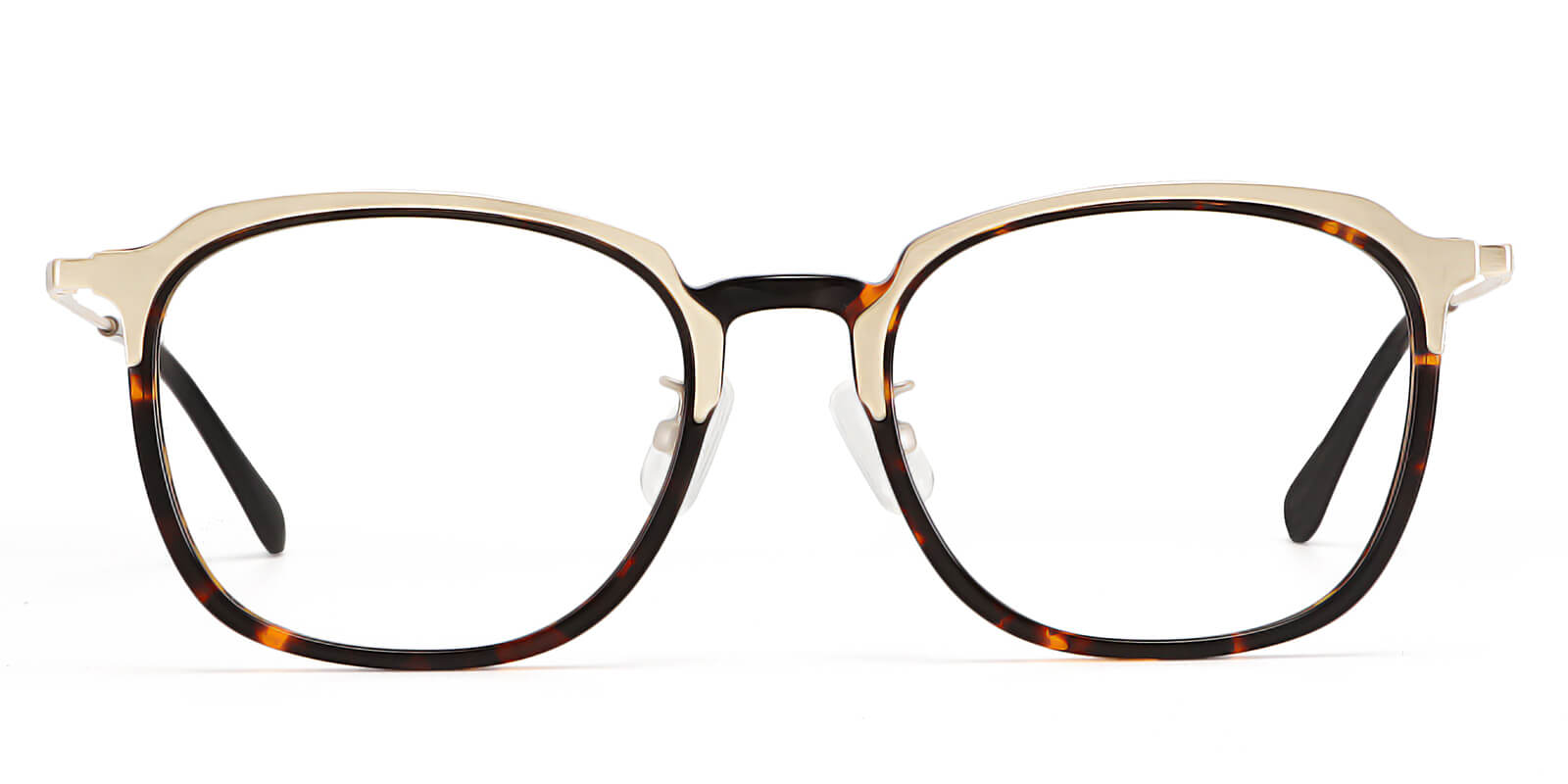
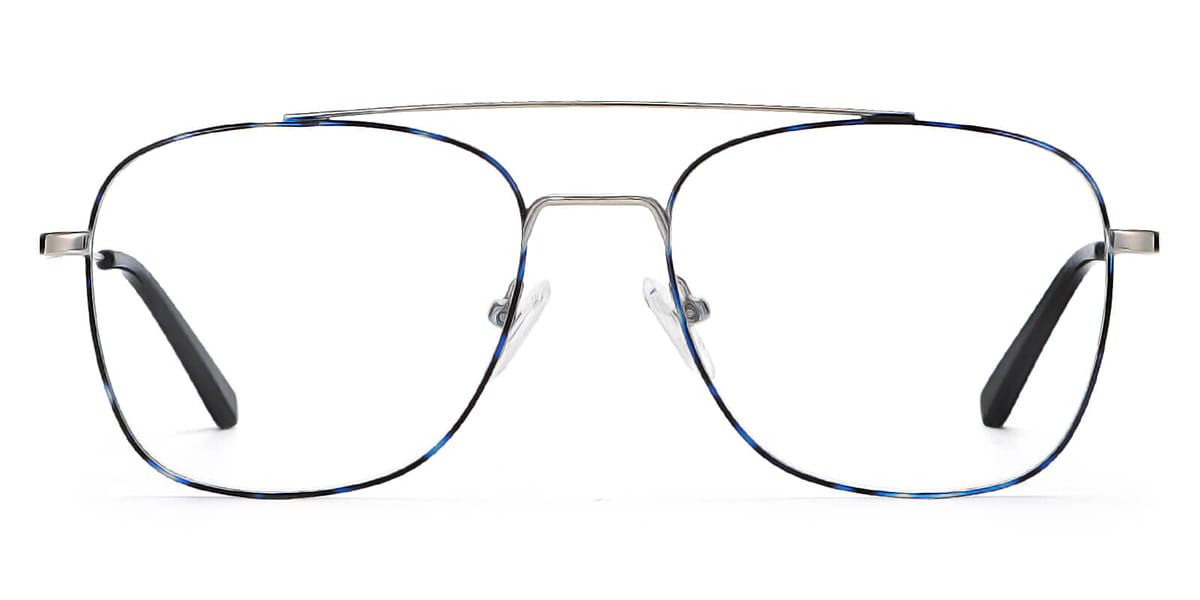
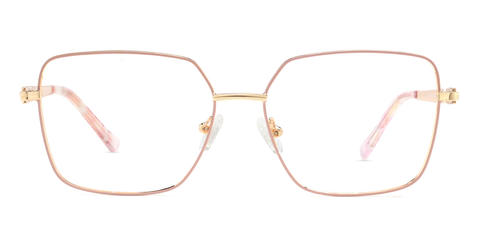
Since high index lenses are much thinner than their regular counterparts, users can choose from practically any kind of frame they like. Metal frames that are usually reserved for low prescriptions can now be used, as well as aviator glasses, which typically don’t look very good with high prescriptions with thick lenses.
It depends mostly on the strength of your prescription, with high index lenses being generally preferable for more severe prescriptions. High index lenses are also thinner and more scratch resistant, but polycarbonate weighs less and does not break as easily upon impact.