


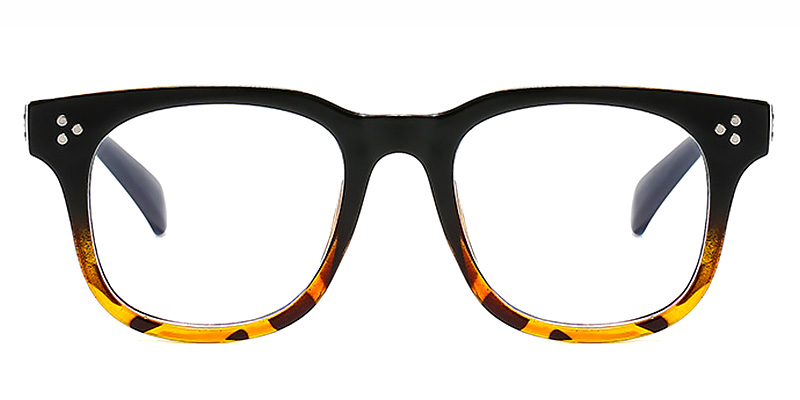


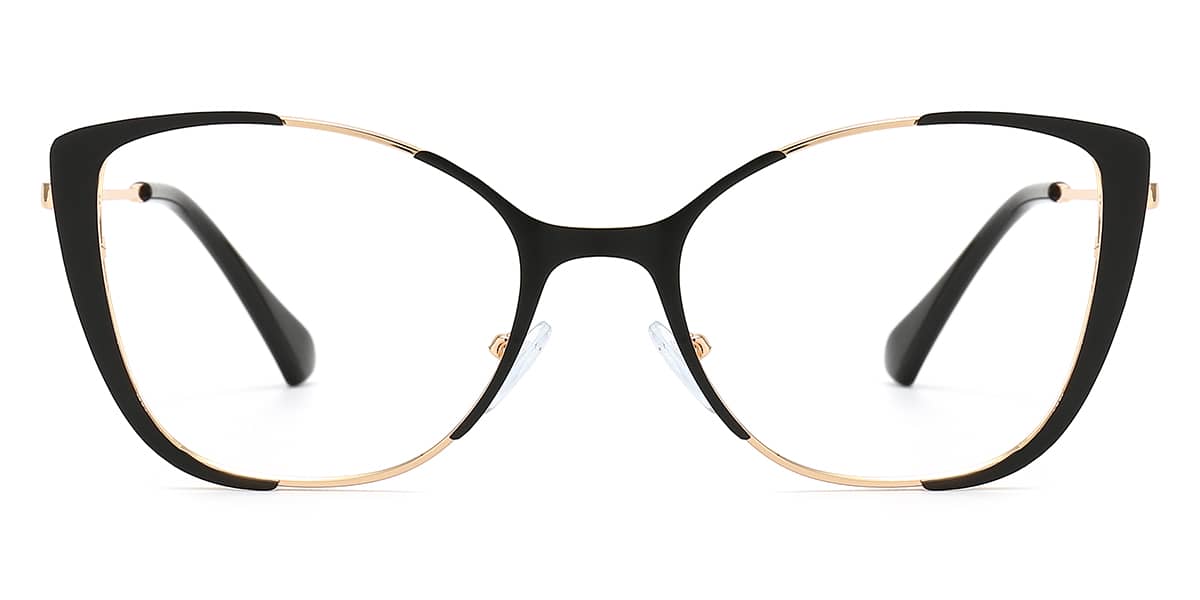


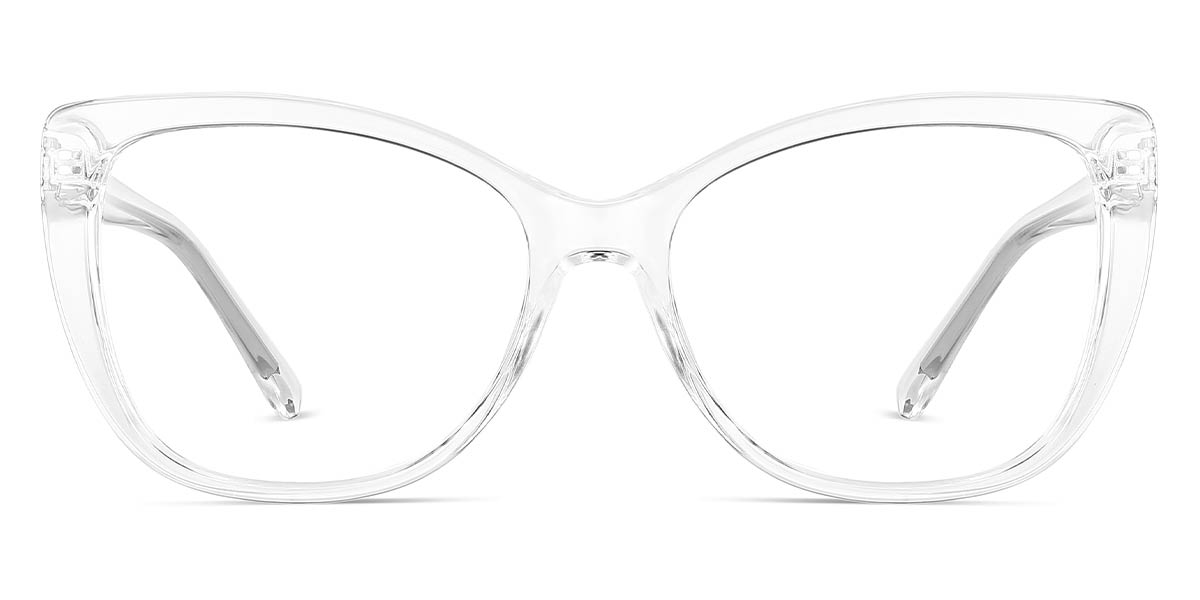


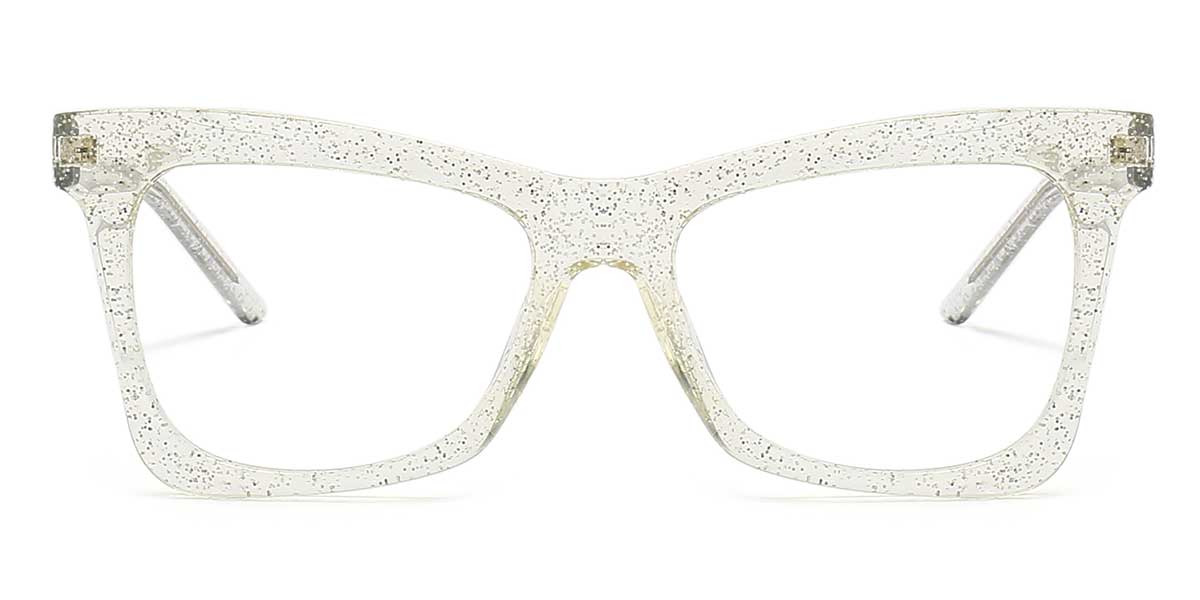


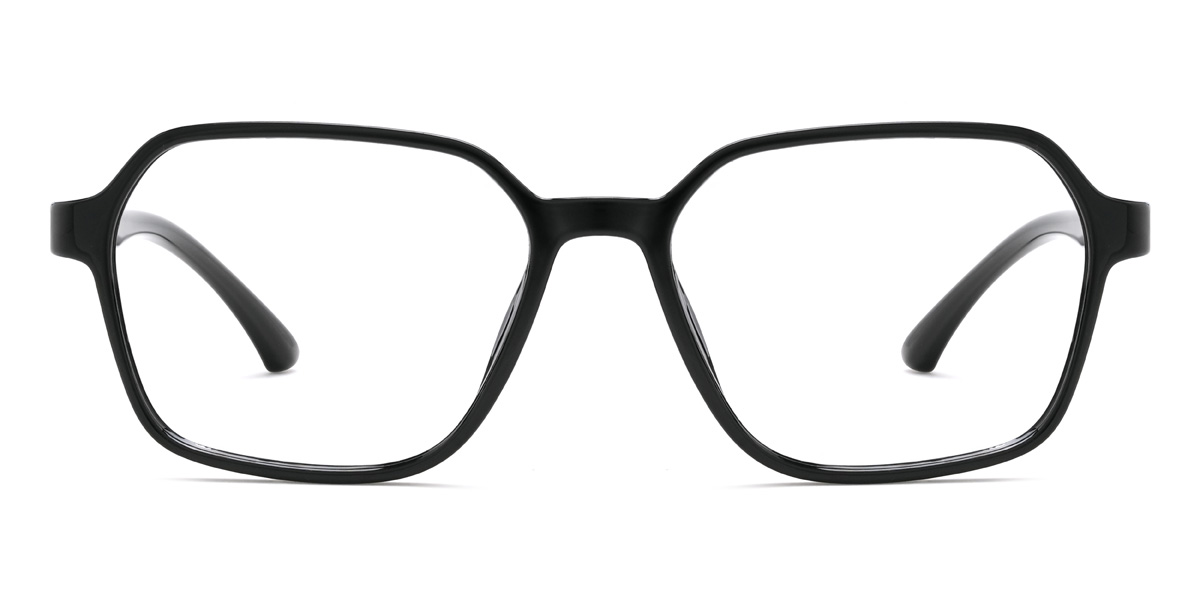


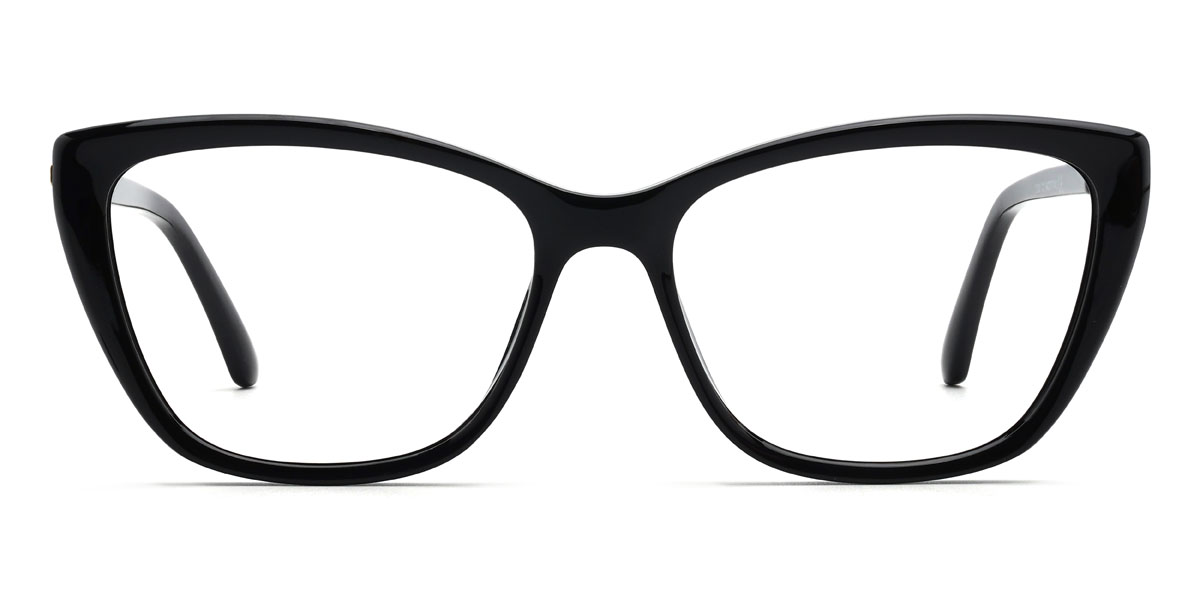


Bifocals are recommended for people who need to switch between distance and near vision frequently. This includes people who need to read and drive, or who need to look at a computer screen and then look up at a whiteboard. Learn more.
Bifocal glasses are eyeglasses that have two separate lenses, one for distance vision and one for near vision. They eliminate the need to switch between multiple pairs of glasses for different distances. Whether you need to see clearly in the distance or up close, bifocal glasses provide a convenient solution by combining the two prescriptions in one set of lenses. Bifocal glasses lenses are available at Lensmart.
When reading with bifocals, you must look through the bottom part of the lenses as this is the part that lets you see clearly up close. To do this comfortably, you must hold whatever you are reading below your face, at a distance of about 18 inches away.
It typically takes a few days to get used to wearing bifocals. During this time, the wearer may experience some dizziness or headaches. If you have worn prescription glasses or contact lenses before, you may find it easier to adapt to bifocals. Familiarity with wearing corrective lenses can make the transition smoother, as you may already be accustomed to the concept of focusing through different parts of the lens.
Yes, bifocal reading glasses can be a great investment for those who need to switch between distance and near vision frequently. They can help reduce eyestrain and headaches, and can improve overall vision. Learn more.
Yes, it is generally safe to drive with bifocal glasses once you have adapted to them and are comfortable with their use. While driving, you are looking through the top part of the lenses, which are specifically for long distances. The lower part that corrects near vision should not interfere while driving.
Bifocal glasses are typically recommended for adults over the age of 40 who are experiencing presbyopia. Presbyopia is an age-related condition that affects the eye's ability to focus on near objects. It usually becomes noticeable around the age of 40 and gradually progresses over time.